
Working with Andrew
Senior judgement, with the capacity to get the work done.
I combine twenty years leading strategy, people and transformation inside global businesses with the hands-on AI capability to do more of the work myself. You get senior judgement and delivery capacity in one person, working through your own organisation, and the capability stays when I leave.
I take responsibility for the work we agree.
I have led strategy, people and transformation inside Nike, Shell and Sanofi, and carried the consequences of the decisions I advised on. That is how I read a problem: what the business is trying to achieve, which decisions matter, and what those decisions will ask of the people who have to make them work.
I work directly with you and the colleagues responsible for delivery, and I take responsibility for the work we agree: a diagnosis and a decision, or the whole arc from executive alignment through implementation and transfer.
Why I can take that responsibility
Enterprise transformation at Shell and Sanofi.
Reshape at Shell: five global businesses redesigned and roughly a billion dollars taken out of structural cost, through a 300-plus programme team and one go-live. Enterprise simplification at Sanofi across 90,000 people.
The organisations behind Nike Digital and the Jordan growth plan.
Nike’s first digital organisation, and the Jordan brand’s five-year growth plan with the organisation designed against it.
AI in front of Sanofi’s top 150, and an AI product built end to end.
Sanofi’s top 150 through Drive Digital with HEC Paris; an AI product built end to end since late 2024.
Capability that continued under permanent leadership.
NikeU, still the name of Nike’s learning platform a decade on; enterprise simplification at Sanofi handed to permanent leadership.
Practitioner, not adviser.
The power of &, by design.
Traditional external support gives you advice, or a team to deliver it. Everything on this page I have done end to end inside global organisations, and I have lived with the consequences of my own decisions. You get that judgement and the capacity to act on it in one person, working with your own people, throughout.
Judgement & delivery
Traditional external supportAn adviser gives you a view. A team gives you delivery. The judgement and the work sit with different people.
Working with meBoth sit with me. I have framed and carried decisions like yours inside Nike, Shell and Sanofi, and I stay in the work we agree until it is done.
AI & accountability
Traditional external supportCapacity is bought as people. The more analysis you need, the larger the team, and the more of your time goes on briefing and managing it.
Working with meCapacity comes from AI in my hands. I do the research, the analysis, the diagnostics I built and the materials the work needs myself, sooner, and I answer for all of it.
Outside perspective & inside ownership
Traditional external supportThe work is done for you. Your people are interviewed and briefed, and asked to own the result at the end.
Working with meThe work is done with you. Your people are in the room for the decisions, do the work alongside me, and own it as it goes on.
Capability & continuity
Traditional external supportThe engagement ends with the outputs handed over. Running the next one is another engagement.
Working with meThe engagement ends with your people running it. The tools, routines and skills are theirs from the start, and so is the capability to run the next one.
You get decisions you can act on, and the means to act on them.
The outputs depend on your situation. We agree what each one has to help you decide or do, and how we will know it has.
- A diagnosis grounded in business evidence
- The constraints worth addressing, and a shared starting point your leaders accept.
- Options with their implications made explicit
- A direction chosen with a clear view of value, cost, capability and what implementation asks.
- An executive decision paper
- The important choices, recommendations and trade-offs in one focused leadership discussion.
- A mobilisation plan with owners and measures
- The chosen direction turned into work the organisation takes responsibility for.
- Tools and routines your team keeps using
- The work stays visible, and the capability to sustain it stays with you.
An example: a CHRO reshaping the people function
How can the people function meet the business’s changing needs within its cost and capacity constraints?
A new or established CHRO has to answer that while the function keeps performing. A focused engagement would make the choices concrete and prepare the team to act. Three indicative outputs, not a package:
- An HR cost, capacity and service baseline
- Where the resources go, which services matter most to the business, and where duplication, capability gaps or delivery constraints need attention.
- Options for the future operating model
- Responsibilities, service choices, leadership requirements, costs and transition risks compared before you commit to a direction.
- A mobilisation plan the team can use
- Priorities, accountable owners, resource requirements and measures, with the work that must keep running protected.
Where it helps, the HR function reinvention diagnostic supplies the baseline and the evidence behind it.
A worked example of the thinking: The first 90 days as CHRO, a practical guide (PDF, seven pages, opens in a new window)
AI gives me the capacity to do more of the work myself, and sooner.
Since late 2024 I have been building working AI systems myself, and I use them daily to run my own practice. In an engagement that capacity goes into the work itself: research and comparison with external reference points, analysis, the diagnostics and the materials the work needs. Take the CHRO example.
Build the baseline. Bring organisation charts, budgets, service data and interview notes into one picture of cost, capacity and service. Compare it with relevant external reference points, checking their sources and comparability, and make the gaps and contradictions visible.
Test the options. Operating-model scenarios with their assumptions, costs, feasibility and implications made explicit, then tested with your leaders before anyone commits.
Produce what the work needs. The decision paper, the working models and the implementation tools, each with the checks its use requires.
The time that saves goes into the part that stays with me: testing interpretations with your leaders, judging what is feasible, reading the organisation, and taking responsibility for the recommendation.
Two things are agreed before any of it is used: which tools and models can be used inside your organisation’s rules, and where your material can and cannot go. Your data stays under your governance.
The products and tools I have built show how this works in practice. See what I have built with AI
You can also ask the site’s assistant about my experience and the examples behind this approach.
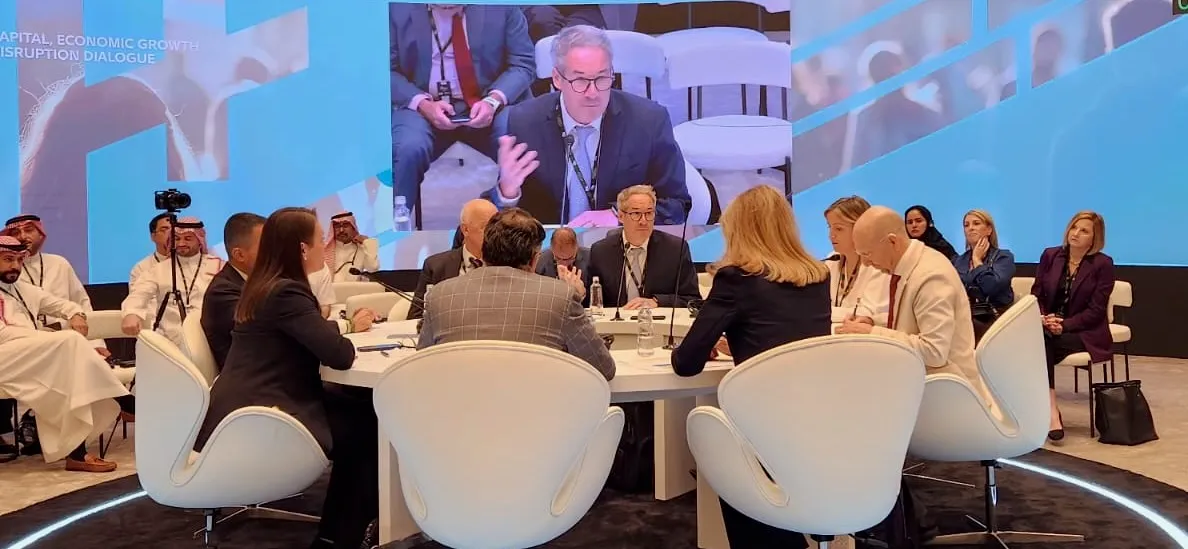
Your people shape the work, and they end up running it.
I start with the knowledge and capability already in your organisation. My job is to bring the right people together around a clear question, a practical plan and responsibilities they can act on.
We agree at the outset which colleagues need to contribute, the time it will take and what they will own as the work progresses. Transfer starts on the first day: your people help develop the approach, use the tools and take on the routines that will carry on after I leave, and the evidence, the working tools and the measures stay with them.
Where there is a genuine gap in capacity or specialist skill, I say so early, and help you decide how to fill it.
The engagement takes the shape of the problem.
Focused. Substantial. Embedded.
We start with the work you need done, the responsibility I would take and the contribution needed from your team. From there we agree the scope, the outputs, the measures of progress and the commercial arrangement.
Focused
Typically weeks, on one defined question, with agreed outputs. Usually a fixed price against those outputs and acceptance criteria.
Substantial
Typically months, working with an agreed group from your organisation. Usually phased: diagnosis and decisions first, the next phase agreed as the work becomes clearer.
Embedded
Alongside your leadership team for the duration, with reserved capacity. Usually a retainer or an allocation of days, with regular access to senior judgement and hands-on help.
Each arrangement makes the scope, the commitments and the review points explicit, so you can judge the investment against the work and the value at stake.
What is your organisation being asked to do next?
If it is consequential and you need experienced help to make progress, I would welcome a conversation about the work, your team and where I could contribute.