
It’s gotta be the organisation.
At a glance
- Challenge
- A five-year growth plan for a $2.5 billion brand, and an organisation built for the business it already was.
- Andrew’s role
- Combined strategy and HR leadership for the brand: in the room for the plan, then accountable for the organisation to deliver it.
- Scale / context
- A $2.5 billion brand and a team of about 250 people inside Nike, built for North American basketball footwear, with a plan to grow beyond footwear, men’s, basketball and North America.
- What changed
- Capabilities for new consumers and categories, teams stood up in China and Europe, and an operating model designed against the plan rather than after it.
Strategy meets the organisation
For the Jordan brand, a $2.5 billion business inside Nike, I was head of strategy and head of HR at the same time. As head of strategy I facilitated the whole planning process and took the brand’s leadership team through it, over about nine months, to a five-year growth plan. As head of HR I was then accountable for the organisation and operating-model transformation that had to deliver it, and for building out the leaders who would run it. The plan reached beyond footwear into apparel, beyond men’s into women’s, beyond basketball into training and other categories, and beyond North America as the growth engine. On 16 December 2014 I presented it to Michael Jordan in Charlotte. Six of us had dinner afterwards: Michael Jordan and two of his team, the brand’s president, the head of North America, and me.
A growth strategy needs the organisation’s input while it is being written, and the capability plan needs the strategy’s. Where a head of strategy and a head of HR work in lockstep that happens, and I have always worked that way with my counterpart. Where they do not, the plan assumes capabilities the organisation does not have, in places it is not strong, at a speed its current shape cannot move at, and nobody notices until it is late. Here the two jobs were in one pair of hands, so the lockstep was built in.
Holding both jobs moves three decisions earlier
The organisational cost of a strategic choice becomes visible while the choice is still being made. When someone proposes to win in a category or a geography, the question “what would we have to become to do that, and how long does becoming it take?” is in the room rather than arriving later as an implementation risk.
The plan gets tested against capability rather than against ambition. Every growth plan is credible in the abstract. The useful question is not whether the market is there; it is whether this organisation, with these people, in these places, can get to it before someone else does, and what would have to be true for that.
And the organisation design starts from the strategy rather than from the current shape. Designs that begin with the existing structure produce a slightly rearranged version of it. Designs that begin with what the plan requires produce something the plan can actually use.
The sequence most teams fall into: strategy first, organisation after, with some overlap and no ties between them.
The growth plan
- The ambition, and where it starts
- The choices: where to grow, and where not to
- The plan, with what has to be true written into it
- The decision, and the presentation
- Each choice carries its organisational cost while it is still a choice.
- The plan is tested against capability, not against ambition.
- The people assumptions are written into the plan, where they can be argued with.
The organisation to deliver it
- What the organisation must become
- The capabilities to build, and the ones to buy
- Structure, decision rights and operating model
- The human capital strategy: sequence, cost, dependencies
Four dimensions of growth, and what each asked of the organisation
The plan was a growth plan on four dimensions at once. New categories: training, and football. Apparel alongside the footwear the brand was built on. Women, starting from a plain fact: Jordan shoes were not offered in women’s sizing. And new geographies, above all China, with Europe and the rest of Asia behind it.
The organisational questions were asked in the same workshops, not after them. For each dimension: what capability does this need that we do not have, and do we build it, buy it or borrow it? Apparel needed design and merchandising capability the brand had never carried. Women needed the brand to understand a consumer it had never designed for. China and Europe needed people on the ground who could connect the brand to the consumer there, rather than a North American team working at a distance. Once the plan was agreed, those answers became the detailed operating model: where each new capability sat, who decided what, how the centre and the markets divided the work, and in what order it all had to be built.
The harder part was not the new capability but the existing organisation. A brand that had run as a North American business had to learn to run as a global one, and that is an end-to-end change: how global and local divide the work, how decisions travel, what the centre does and what it leaves to a market. The human capital strategy wrote all of that down, with the cost and the dependencies, so the plan’s assumptions about people were in the plan rather than discovered later. In my experience that is the document that goes unwritten. The strategy gets written, then a headcount plan, which is not the same thing.
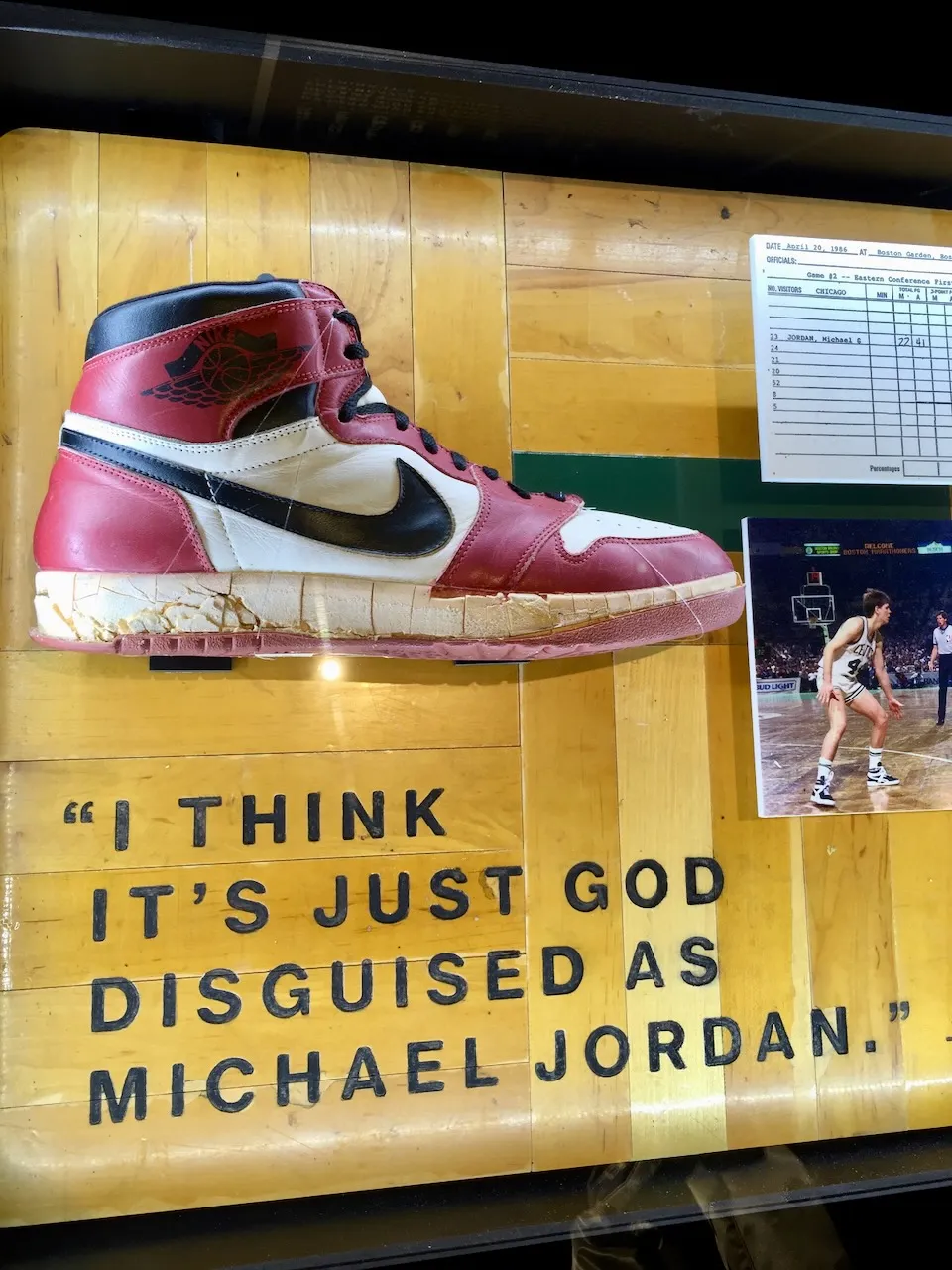
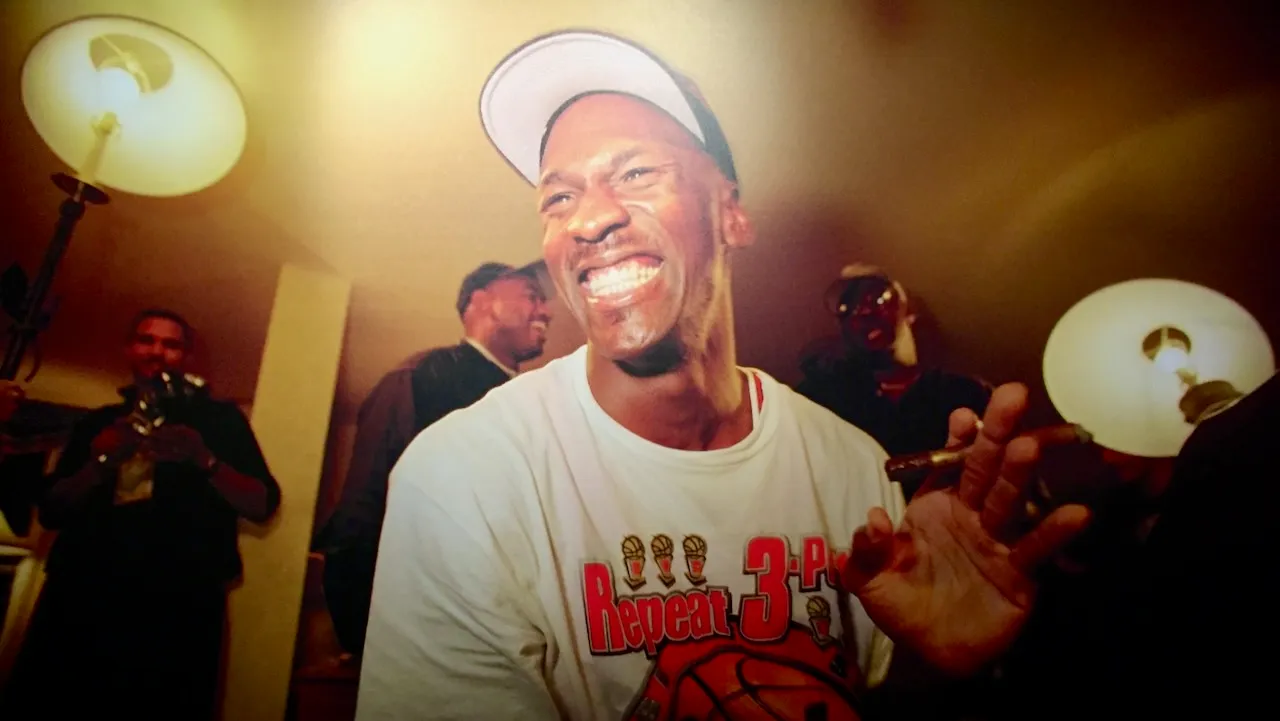
In the middle of it the brand turned thirty. It rented a derelict bank at 23 Wall Street and threw a party only this brand could throw: five hundred people, and Prince headlining until three in the morning. The night was a reminder of what the plan was protecting, and of the decision not to live off it.
The Jordan brand takes flight
The brand’s subsequent growth, in the wholesale-equivalent revenue Nike reports for the Jordan Brand:
2x
Jordan Brand wholesale-equivalent revenue from fiscal 2015, the year the plan was presented, to fiscal 2021, as Nike reported it: $2.3 billion to $4.7 billion
12% a year
compound annual growth over those six years, through a reset year in fiscal 2018 and a pandemic
China, Japan and apparel
are where Nike’s own reports name the Jordan Brand among the growth drivers in those years
The teams in China and Europe were stood up. The brand put its sports-marketing money where the plan pointed: into college football with the University of Michigan, its first football programme, in 2015, and into football, which later brought the partnership with Paris Saint-Germain. Women’s product followed. And the portfolio was rebalanced between lifestyle and performance. The legacy franchises, the Air Jordan 1 among them, are the brand’s commercial strength and were protected as such; leading with them would have meant living off the past rather than building the new sources of growth the plan was for.
In the fiscal year the plan was presented, Nike reported Jordan Brand wholesale-equivalent revenue of $2.3 billion; six years later it reported $4.7 billion, and its reports name the Jordan Brand among the drivers of apparel growth and of growth in Greater China and Japan in those years. Those are Nike’s figures, delivered by the brand’s leadership team and the organisation built to deliver the plan, over a horizon a year longer than the plan’s own, and the plan was one input among many. The organisation and operating model designed against it, and the human capital strategy that named the capabilities, the sequence and the dependencies, were the part I was accountable for.
What I learned
Guiding principles
Put the organisation question in the room while the strategy is being written. Not after. The cost of a strategic choice is mostly organisational, and it is cheapest to see it early.
Design the organisation from what the plan needs, not from the chart you already have. Starting from the current shape produces the current shape with different boxes. For Jordan that meant starting from apparel, women, China and Europe, and asking what each of them required.
Write down what has to be true for the plan to work. Every growth plan rests on assumptions about capability, capacity and speed. Written into the plan, they can be tested and argued with. Unwritten, they are discovered later, as delays.
A headcount plan is not a human capital strategy. One counts people. The other names the capabilities to build and how what already exists has to change. For a brand that had run as a North American business, that meant learning to run as a global one, with global and local work divided on purpose.
Why it matters now
The market the brand grew into has since turned. Nike’s own results tell it: growth through the early 2020s, then, for Nike as a whole rather than the brand, revenue down 10% in fiscal 2025. A global business is now closer to more consumers than ever and faces more competition than ever. Tariffs and volatility make the world harder to plan for without making it any less global. And AI and data can describe a consumer in more detail than any brand could a decade ago, which is useful right up to the point where the description becomes a proxy for knowing them.
None of that changes the question this story is about. A growth plan is still a promise about an organisation, and the organisation question belongs in the room while the plan is being written, and again every time the market moves. Growth that doubled a brand in six years is no protection against the next six.